 Trees
30
Trees
30
Ficus thonningii, commonly known as Umuvumu, is a large fig tree native to East Africa and widely recognized for its broad canopy and aerial roots. It thrives in open landscapes, providing shade and shelter, and is often considered a keystone species due to its ecological importance. Its fruits serve as a critical food source for birds, insects, and small mammals, especially during dry seasons when other resources are scarce.
 Trees
39
Trees
39
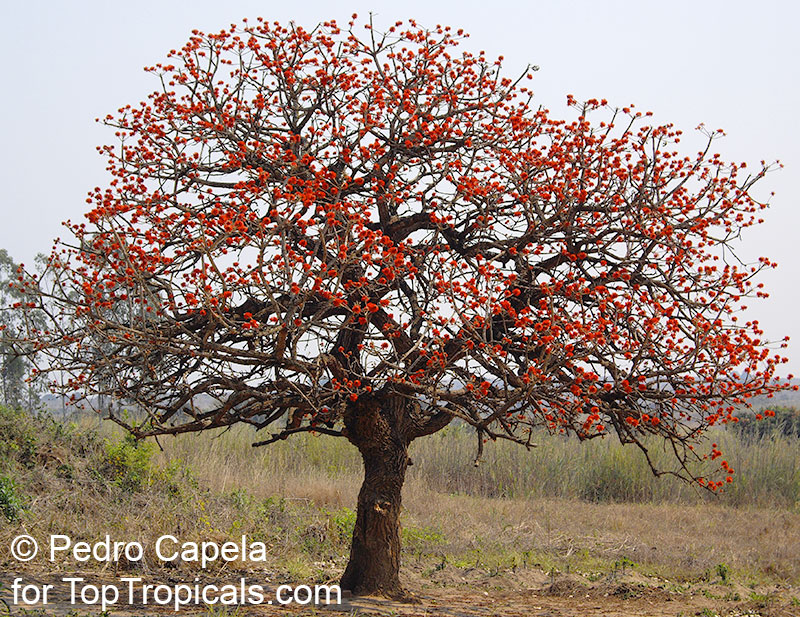
Erythrina abyssinica (Umuko) is a medium?sized tree belonging to the Fabaceae family. It grows between 6–12 meters tall with a wide crown that provides shade. Its rugged bark and spiny branches give it a distinctive look, while its spectacular red?orange flowers bloom from late winter to early summer, attracting birds, bees, and other pollinators.
 Trees
33
Trees
33
Acacia trees are resilient, drought?tolerant species widely found across Rwanda’s savanna landscapes and restored areas like Nyandungu Eco?Park. Known for their distinctive feathery leaves and protective thorns, they enrich soils through nitrogen fixation, provide shade, and support diverse wildlife. Beyond their ecological role, acacias hold cultural and economic importance in Rwanda, valued for fuelwood, fencing, and gum, while also featuring in traditional medicine.