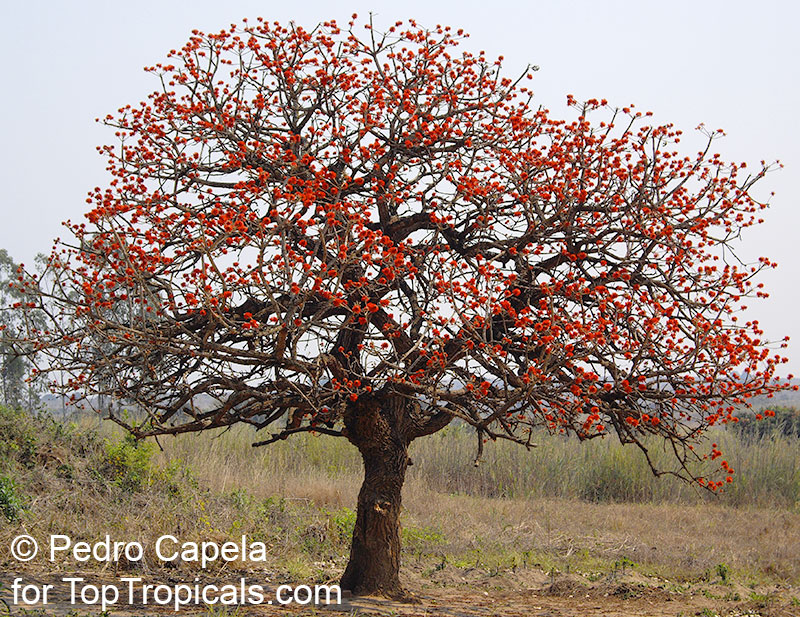
Acacia trees
Ecological role
Acacia species are central to Nyandungu Eco?Park’s savanna restoration. Their deep roots stabilize soils and improve fertility through nitrogen fixation, while their canopy provides shade and shelter for birds, insects, and small mammals. Acacias are drought resistant, making them vital for climate resilience and biodiversity support in semi?arid landscapes.
Rwandan Culture
In Rwanda, acacia trees are valued for their wood, gum, and symbolic presence in rural life. They are often used for fuelwood, fencing, and construction, while acacia gum has traditional uses in food and crafts. Acacias also carry cultural meaning as hardy, resilient trees that thrive in challenging environments, reflecting themes of endurance and community strength.
Medicinal Uses
Acacia species have long been part of traditional medicine. Bark and gum are used in remedies for sore throats, digestive issues, and wound healing, while leaves and pods are sometimes applied in herbal treatments. Their medicinal role highlights the importance of indigenous knowledge and the sustainable use of native plants in Rwanda’s healthcare traditions.